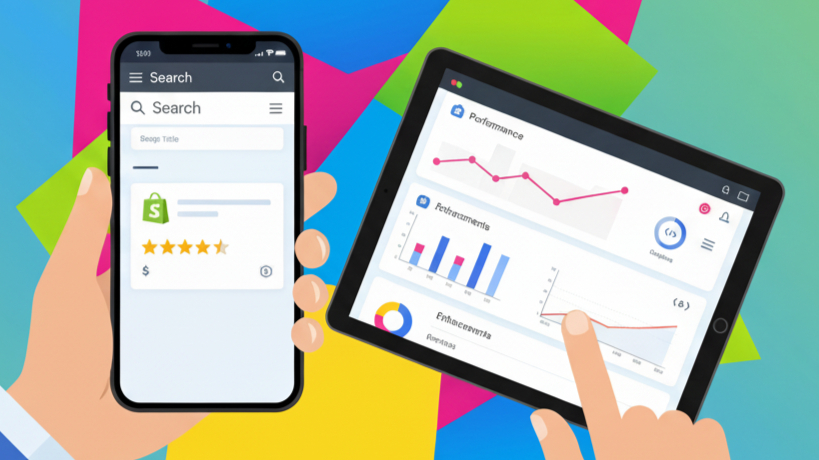
How to Monitor Product Snippets, Breadcrumbs, and Review Snippets: A Comprehensive Guide for Business Owners
When your business relies on visibility in search results, keeping a close eye on rich snippets like product snippets, breadcrumbs, and review snippets is crucial. These elements not only enhance how your site appears in search engine results pages (SERPs) but also play a significant role in improving click-through rates (CTR) and driving organic traffic.
By Diana Uringaliyeva, October 22, 2025
This is precisely why it’s critical that you actively monitor your schema markup to ensure these highly valuable snippets remain visible and error-free.
What Are Rich Snippets and Why Do They Matter?
Rich snippets are enhanced search results that display additional information below the page title, such as:
- Product Snippets: Show product details like price, availability, and star ratings.
- Review Snippets: Highlight customer reviews and ratings directly in search results, improving trust and credibility.
- Breadcrumbs: Provide a clear path of the page's hierarchy, helping users navigate your site more efficiently.
Why They Matter for SEO and Business
- Increased Visibility: Rich snippets make your listings more eye-catching, helping you stand out in crowded search results. Enhanced listings attract more attention, particularly on mobile devices where space is limited.
- Higher Click-Through Rates: The additional information provided by rich snippets can draw more clicks compared to standard links. This directly influences your organic traffic and can contribute to improved rankings over time as user engagement signals are positive.
- Enhanced User Experience: Breadcrumbs improve navigation, while review snippets build consumer trust even before they visit your site. A better user experience can lead to longer session durations and lower bounce rates.
Monitoring Rich Snippets with Google Search Console
Google Search Console (GSC) is a powerful tool for monitoring how your site performs in search results, including rich snippets. To track these elements effectively, it is essential to utilize all relevant features of the tool.
How to Monitor Product and Review Snippets:
- Performance Report: Check the Performance tab in GSC to see how often your rich snippets are shown and how they impact your CTR. Filtering by specific search types, such as web, image, or video, can provide deeper insights.
- Search Appearance: Filter results by Search Appearance to view rich results performance specifically, including product and review snippets. This helps isolate how structured data influences your search visibility.
- Enhancements Report: Under Enhancements, look for specific structured data types like Products, Reviews, and Breadcrumbs to see if they are implemented correctly. GSC provides detailed insights, including errors, warnings, and valid items, which help you maintain compliance with Google's structured data guidelines.
Advanced Tips:
- Set up custom reports to monitor specific rich snippet types over time.
- Use annotations in GSC to mark when significant changes were made to your site's structured data, helping correlate these changes with performance metrics.
- Regularly download and analyze data from GSC to identify long-term trends in rich snippet performance.
Understanding Drops in Impressions and How to Address Them
When you notice a drop in impressions for rich snippets, it’s critical to identify the underlying cause. Drops in impressions can result from various technical, strategic, or external factors.
Common Reasons for Drops in Impressions:
1. Structured Data Errors
- Validation Issues: Structured data that does not comply with Google’s schema requirements may not be eligible for rich snippets.
- Schema Markup Errors: These include missing required fields, incorrect data types, or syntax errors that prevent rich snippets from showing.
- Outdated Markup: As Google updates its structured data guidelines, older formats may become unsupported, causing rich snippets to disappear.
2. Algorithm Updates
- Broad Core Updates: These can change how structured data is evaluated, impacting the visibility of rich snippets.
- Specific Schema-Related Updates: Occasionally, Google adjusts its approach to displaying certain rich snippet types, affecting impressions.
- Search Intent Shifts: Changes in how Google interprets search queries might make certain rich snippets less relevant, influencing their appearance.
3. Page or Content Changes
- Content Updates: Significant changes to a page’s content without updating the structured data can lead to discrepancies that reduce rich snippet eligibility.
- URL Changes: Moving pages or updating URLs without proper 301 redirects can break the connection between schema markup and search results.
- Technical SEO Issues: Problems such as noindex tags, blocked resources, or server errors can prevent Google from accessing your structured data.

Using SchemaPlus for SEO to Maintain Rich Snippets
SchemaPlus for SEO is an excellent tool for maintaining structured data and ensuring that your rich snippets remain active in search results. This tool offers comprehensive features that support robust schema markup strategies.
Key Features of SchemaPlus for SEO:
- Automated Schema Updates: Keeps your product, review, and breadcrumb markup compliant with Google’s latest guidelines, ensuring continued eligibility for rich snippets.
- Error Monitoring and Alerts: Automatically detects issues with your structured data, providing actionable insights and immediate alerts to address potential problems before they affect search visibility.
- Seamless Integration with Shopify: The tool is optimized for Shopify stores, allowing for easy setup and minimal maintenance while enhancing e-commerce product listings.
Best Practices When Using SchemaPlus:
- Regularly Check for Errors: Utilize the enhancements section in Google Search Console to verify that your structured data is being read correctly by Google.
- Update Markup with Page Changes: Any time you add new products, update reviews, or change site navigation, ensure SchemaPlus is also updated to reflect these changes.
- Leverage 24/7 Support: If you encounter issues with rich snippets, take advantage of SchemaPlus’s support team to troubleshoot effectively.
Best Practices for Consistent Rich Snippet Performance
To avoid drops in rich snippet impressions and maintain SEO performance, follow these comprehensive best practices:
- Regularly Audit Structured Data:
- Conduct manual reviews of your structured data markup at least once a month.
- Use tools like Google's Rich Results Test and Schema Markup Validator to ensure schema compliance.
- Monitor Performance in GSC:
- Set up custom reports and alerts to quickly identify when rich snippet impressions drop.
- Use historical data to identify trends and determine if drops are part of a broader seasonal pattern or an indication of an issue.
- Stay Informed on SEO Updates:
- Regularly read the Google Search Central Blog for updates on structured data requirements and algorithm changes.
- Participate in SEO forums and communities to stay ahead of emerging best practices.
- Implement Structured Data Testing:
- Test new pages before publishing to avoid launching with schema errors.
- If implementing new types of structured data, use staging environments to test impacts on rich snippet eligibility.
Conclusion
Keep Your Rich Snippets Working for Your Business
Monitoring and maintaining product snippets, review snippets, and breadcrumbs is vital for maximizing your site's visibility and SEO performance. Regular use of tools like Google Search Console and SchemaPlus for SEO can help ensure your rich snippets continue to appear in search results, attracting more clicks and boosting your e-commerce success.
For Shopify store owners, rich snippets provide a competitive advantage, helping potential customers see valuable information directly in search results. By implementing best practices and proactively managing your structured data, you can enhance your site's search presence, reduce the risk of impression drops, and ultimately drive more sales and engagement.